


В современном мире спорт играет ключевую роль в жизни общества, объединяя миллионы людей вокруг общих интересов и страстей. Спортивные стадионы, как эпицентры этих событий, постоянно эволюционируют, стремясь предложить зрителям беспрецедентный уровень комфорта и удобства. Этот новый шаг вперед не только улучшает опыт посещения мероприятий, но и превращает стадионы в многофункциональные пространства, где технологии, безопасность и инновации сливаются воедино. В этой статье мы глубоко погрузимся в то, как современные спортивные арены переопределяют стандарты, делая каждый визит незабываемым для болельщиков.
Спортивные стадионы имеют богатую историю, уходящую корнями в древние времена, когда римские амфитеатры и греческие стадионы служили местами для состязаний и зрелищ. Однако, в отличие от своих предшественников, современные стадионы — это не просто площадки для игр; они стали символами технологического прогресса и социальной значимости. В XX веке стадионы часто были функциональными, но минималистичными, с ограниченными удобствами для зрителей. Сегодня же, благодаря rapid advancements in technology and design, они предлагают все: от luxurious seating and climate control to immersive digital experiences. Этот переход отражает broader societal shifts towards prioritizing user experience and sustainability.
Например, вспомним стадионы like Wembley in London or the Maracanã in Rio de Janeiro, которые underwent massive renovations to incorporate modern amenities. These changes are not merely cosmetic; they address core needs of spectators, such as accessibility, comfort, and engagement. As we move into the 21st century, the focus has shifted from mere capacity to quality, ensuring that every visitor, regardless of age or ability, can enjoy the event in a safe and pleasant environment.
Одним из ключевых драйверов этого нового шага являются инновационные технологии. Современные стадионы оснащены advanced systems that enhance every aspect of the spectator experience. Let's explore some of these technologies in detail.
Gone are the days of simple scoreboards; today's stadiums feature massive high-definition screens that provide real-time statistics, replays, and interactive content. These displays are not only for entertainment but also for improving engagement. For instance, during a football match, fans can access player profiles, tactical analyses, and even vote for Man of the Match via their smartphones. This level of interactivity keeps the audience connected and invested in the event, reducing boredom during breaks and enhancing the overall atmosphere.
Moreover, augmented reality (AR) and virtual reality (VR) are becoming integral parts of the stadium experience. Imagine putting on AR glasses to see player stats overlaid on the field or using VR to experience the game from a player's perspective. These technologies are still in their infancy but hold immense potential for making events more immersive and personalized.
Smart stadium management systems use IoT (Internet of Things) devices to monitor and optimize various aspects, from crowd flow to energy consumption. Sensors placed throughout the venue can detect congestion in corridors and automatically redirect staff or adjust lighting to improve safety. Additionally, these systems help in predictive maintenance, ensuring that facilities like escalators and restrooms are always in top condition. This proactive approach minimizes disruptions and enhances the comfort of visitors.
For example, the Mercedes-Benz Stadium in Atlanta employs a sophisticated network of sensors to manage everything from seating comfort to food service efficiency. This not only improves the fan experience but also reduces operational costs, making the stadium more sustainable in the long run.
In an era where everyone is connected, reliable Wi-Fi and mobile coverage are non-negotiable for modern stadiums. High-speed internet allows fans to share moments on social media, access apps for ordering food and merchandise, and stay updated with live feeds. Poor connectivity can lead to frustration, but advanced networks with 5G capabilities ensure seamless experiences. This connectivity also enables cashless payments, reducing queues and making transactions quicker and more hygienic.
Stadiums like the SoFi Stadium in Los Angeles have set new benchmarks with their robust digital infrastructure, supporting thousands of simultaneous connections without lag. This emphasis on connectivity reflects a broader trend towards digital integration in public spaces.
Beyond technology, the physical comfort of spectators is paramount. Modern stadiums are designed with ergonomics and inclusivity in mind, ensuring that everyone, from children to the elderly, can enjoy the event without discomfort.
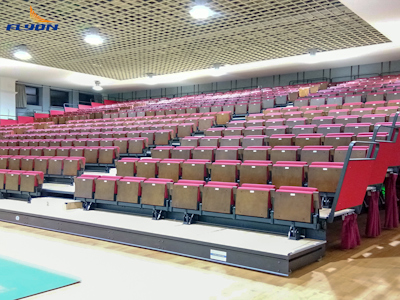
Gone are the hard, cramped benches of the past; today's seats are padded, adjustable, and spaced to allow ample legroom. Additionally, stadiums now offer a variety of seating options, from standard seats to luxury boxes and family zones. These designs consider factors like sightlines and acoustics, so every seat feels like the best in the house. For instance, retractable roofs and climate control systems maintain optimal temperatures regardless of weather, making indoor-outdoor transitions smooth and comfortable.
Accessibility is also a critical focus. Ramps, elevators, and designated areas for wheelchair users ensure that stadiums are inclusive. Features like hearing loops and descriptive audio services cater to visitors with disabilities, embodying the principle that sport should be accessible to all.
Food and beverage services have evolved from basic concessions to gourmet experiences. Modern stadiums partner with local chefs and brands to offer diverse menus that cater to various dietary preferences, including vegan, gluten-free, and healthy options. Mobile ordering apps allow fans to order from their seats, minimizing wait times and maximizing enjoyment. This not only enhances comfort but also supports local economies and sustainability efforts through sourcing locally and reducing waste.
For example, at the Tottenham Hotspur Stadium in London, fans can enjoy a range of culinary delights, from traditional pies to international cuisines, all delivered efficiently thanks to advanced logistics systems.
Post-pandemic, hygiene has become a top priority. Stadiums now feature touchless fixtures, automated sanitization stations, and enhanced cleaning protocols. UV light disinfection and air purification systems are increasingly common, ensuring a safe environment for large gatherings. These measures not only protect health but also contribute to a sense of security and well-being among attendees.
Safety is inextricably linked to comfort and convenience. A secure environment allows spectators to relax and fully immerse themselves in the event. Modern stadiums employ comprehensive security measures that blend technology with human oversight.
Advanced surveillance systems using AI-powered cameras can detect suspicious behavior in real-time, alerting security personnel to potential threats. Facial recognition technology, while controversial, is used in some venues to streamline entry and enhance safety. These systems are complemented by well-trained staff and emergency response plans that ensure quick action in case of incidents.
For instance, during major events like the Olympics, stadiums implement multi-layered security protocols that include bag checks, metal detectors, and coordination with local law enforcement. This proactive approach minimizes risks and fosters a safe atmosphere.
Crowd management is crucial for preventing accidents and ensuring smooth operations. Digital signage and mobile apps provide real-time guidance on exits and facilities, helping to avoid bottlenecks. Simulations and drills prepare staff for various scenarios, from medical emergencies to evacuations. By prioritizing safety, stadiums not only protect lives but also enhance the overall experience by reducing anxiety and chaos.
The advancements in stadium comfort and convenience have broader implications beyond the individual fan experience. They contribute significantly to local economies and social cohesion.
Modern stadiums attract more visitors, leading to increased spending on tickets, concessions, and merchandise. They also host non-sporting events like concerts and conferences, diversifying revenue streams and creating jobs. For example, the construction and operation of a state-of-the-art stadium can boost local businesses and tourism, generating long-term economic benefits for the community.
By offering enhanced facilities, stadiums become hubs for community activities, fostering a sense of belonging and pride. Programs that involve local schools, charities, and youth teams help integrate the stadium into the social fabric. This not only strengthens fan loyalty but also promotes healthy lifestyles and cultural exchange.
The evolution of stadiums is far from over. Emerging trends promise even greater comfort and convenience in the years to come.
Future stadiums will prioritize sustainability, incorporating renewable energy sources like solar panels, rainwater harvesting systems, and green building materials. The goal is to achieve carbon neutrality and reduce environmental impact, aligning with global efforts to combat climate change.
AI will enable hyper-personalized experiences, from customized seating recommendations to tailored content based on fan preferences. Machine learning algorithms can analyze behavior to optimize services in real-time, making each visit unique and memorable.
As AR and VR technologies mature, they will transform how we experience live events. Fans might soon be able to 'attend' games virtually with lifelike realism or interact with holographic displays at the stadium.
Спортивный стадион сегодня — это не просто место для watching a game; it is a testament to human ingenuity and a commitment to enhancing the spectator experience. Through innovative technologies, ergonomic design, and a focus on safety and inclusivity, modern stadiums are taking a new step towards unparalleled comfort and convenience. As we look to the future, these venues will continue to evolve, embracing sustainability and personalization to ensure that every visit is as enjoyable as it is unforgettable. For fans around the world, this means more than just better seats—it means being part of a dynamic, connected community where sport and innovation thrive together.
 |
1388xx888xx |
 |
Адрес компании:B4-06, Building B, No. 108 Lijia Road, Henggang Community, Longgang Street, Shenzhen, Guangdong, China |
 |
Почтовый ящик:1388xx888xx@gmail.com |
 |
Мобильные телефоны:1388xx888xx |


 1388xx888xx