


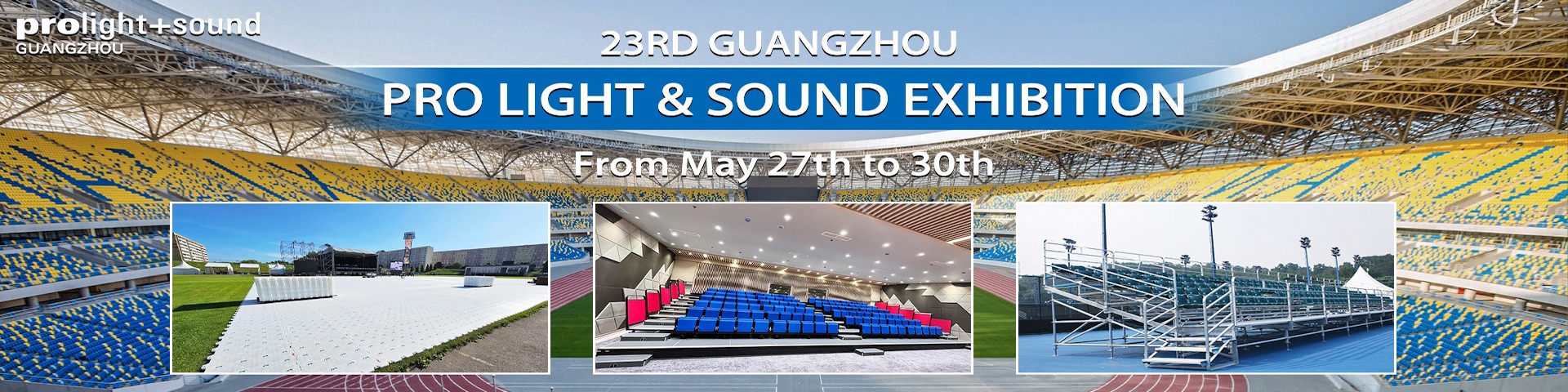

В мире спорта, где каждая деталь имеет значение, освещение стадионов играет ключевую роль. Но почему именно современное освещение становится необходимостью, а не просто опцией? Давайте углубимся в этот вопрос и рассмотрим его с различных сторон.
Спортивные стадионы – это не просто места для проведения соревнований; они символизируют дух соперничества, единства и прогресса. Освещение здесь выступает как функциональный элемент, обеспечивающий видимость, и как эстетический компонент, создающий атмосферу. Однако с развитием технологий традиционные системы, такие как металлогалогенные лампы, уступают место современным решениям, например, LED-освещению. Почему этот переход так важен? Во-первых, современное освещение предлагает непревзойденную энергоэффективность. LED-светильники потребляют до 50% меньше энергии по сравнению со старыми аналогами, что не только снижает эксплуатационные расходы, но и способствует экологической устойчивости. Во-вторых, оно обеспечивает лучшую цветопередачу и равномерность света, что критично для телевизионных трансляций и зрительского опыта. Представьте себе футбольный матч, где тени и блики мешают наслаждению игрой – современные системы устраняют эти проблемы. Кроме того, гибкость управления позволяет адаптировать освещение под разные события, будь то дневные тренировки или ночные концерты. Но это лишь верхушка айсберга. В этой статье мы подробно разберем, как современное освещение влияет на безопасность, экономику, технологии и даже психологию спорта, отвечая на главный вопрос: почему без него стадионы будущего просто немыслимы.
Одним из наиболее очевидных преимуществ современного освещения является его энергоэффективность. Традиционные системы, основанные на лампах высокого давления, часто потребляют огромное количество электроэнергии, что приводит к высоким счетам за коммунальные услуги. Например, стадион среднего размера с металлогалогенным освещением может тратить до 1000 кВт-ч за один вечерний матч. В условиях растущих тарифов на электроэнергию это становится значительным финансовым burden для владельцев и операторов. LED-технологии, напротив, предлагают существенную экономию. Они преобразуют более 80% энергии в свет, в то время как традиционные лампы теряют большую часть в виде тепла. Это не только снижает потребление энергии на 40-60%, но и延长 срок службы оборудования – LED-светильники могут работать до 100,000 часов, по сравнению с 10,000-20,000 часами у старых систем. Что это означает на практике? Для крупного стадиона, такого как «Лужники» в Москве, переход на LED может сэкономить миллионы рублей ежегодно. Кроме того, снижение энергопотребления contributes to reduced carbon footprint, aligning with global trends towards sustainability. But the economic benefits extend beyond mere savings. Modern lighting systems often come with smart controls, allowing for precise dimming and scheduling. This means that lights can be adjusted based on actual need – for instance, during training sessions or low-attendance events, intensity can be reduced further cutting costs. In essence, investing in modern照明 is not an expense but a strategic move that pays for itself over time through lower operational costs and enhanced reliability. So, when we ask why stadiums need this, the answer is clear: it's a win-win for both the wallet and the environment.
Безопасность – paramount в任何 спортивном мероприятии, и освещение играет在这里 ключевую роль. Современные системы, такие как LED, обеспечивают superior видимость, что напрямую влияет на предотвращение травм. Для athletes, плохое освещение может lead to misjudgments, slips, or collisions. Imagine a football player sprinting at high speed – if shadows or uneven lighting obscure the ball or opponents, the risk of injury skyrockets. LED technology offers high Color Rendering Index (CRI), often above 80, which means colors appear more natural and details are sharper. This is crucial for fast-paced sports where split-second decisions are made. Moreover, modern lighting eliminates flicker, a common issue with older systems that can cause eye strain and even seizures in sensitive individuals. For spectators, safety is equally important. Adequate lighting ensures that pathways, exits, and seating areas are well-lit, reducing the risk of accidents such as trips or falls. In emergency situations, like evacuations, reliable lighting can be a lifesaver. Modern systems often integrate with backup power and smart sensors to maintain illumination even during outages. Additionally, for night events, proper lighting deters criminal activities by increasing visibility and surveillance effectiveness. From a regulatory perspective, many sports federations now mandate specific lighting standards for venues hosting professional events. For example, FIFA requires a minimum illuminance of 2000 lux for televised football matches. Only modern systems can consistently meet such demands without excessive energy use. Thus, the need for contemporary lighting stems from a fundamental commitment to protecting everyone involved – players, fans, and staff – making it an indispensable component of stadium design and operation.
В эпоху digitalization, спортивные трансляции стали глобальным phenomenon, и освещение стадионов must keep pace. Современное照明, particularly LED, is designed to meet the rigorous requirements of high-definition television (HDTV) and streaming services. Why is this so critical? Traditional lighting often produces uneven light distribution, hotspots, and color shifts that can ruin broadcast quality. Cameras are sensitive to these imperfections, leading to issues like flicker, poor contrast, and inaccurate color reproduction. For instance, in a basketball game, if the court appears too bright or too dark on screen, it detracts from the viewing experience. LED systems offer precise control over color temperature and intensity, enabling broadcasters to achieve consistent, vibrant images. Many modern stadiums use tunable white LED lights that can mimic natural daylight, enhancing the realism of broadcasts. Furthermore, these systems support slow-motion replays and ultra-high-definition formats without artifacts. Another technological advantage is integration with smart systems. Modern lighting can be synced with scoreboards, sound systems, and even augmented reality features to create immersive experiences for both live and remote audiences. For example, during breaks, lights can change colors or patterns to engage fans. This level of flexibility is unattainable with outdated technology. Moreover, as esports and virtual events gain popularity, stadium lighting must adapt to multi-purpose use. Investing in modern照明 ensures that venues remain relevant and capable of hosting a variety of events, from sports to concerts to corporate functions. In summary, the technological demands of today's media landscape make contemporary照明 not just a luxury but a necessity for any stadium aspiring to be at the forefront of entertainment.
С increasing global focus on sustainability, спортивные стадионы are under pressure to reduce their environmental impact. Modern照明 plays a significant role in this endeavor. LED technology is inherently greener due to its lower energy consumption, which directly translates to reduced greenhouse gas emissions from power plants. For a large stadium, this can mean cutting carbon dioxide emissions by hundreds of tons annually. Additionally, LEDs contain no hazardous materials like mercury, which is present in some traditional lamps, making disposal safer and less harmful to the environment. The longevity of LED systems also means fewer replacements, reducing waste from discarded equipment. Beyond these direct benefits, modern lighting often incorporates renewable energy sources. For example, some stadiums integrate solar panels to power lighting systems, further minimizing their carbon footprint. Smart lighting controls contribute to sustainability by optimizing usage – lights can be dimmed or turned off when not needed, preventing energy waste. This aligns with initiatives like LEED certification, which many new stadiums pursue to demonstrate their commitment to eco-friendliness. From a broader perspective, adopting modern照明 sends a positive message to fans and the community about the venue's dedication to environmental stewardship. In an era where consumers increasingly favor green brands, this can enhance the stadium's reputation and attract more events. Therefore, the shift to contemporary照明 is driven not only by practical benefits but also by ethical imperatives to protect our planet for future generations.
Освещение profoundly influences the psychological experience of spectators, shaping the atmosphere and emotional engagement at sporting events. Modern systems, with their ability to create dynamic and customizable lighting scenes, enhance this aspect significantly. Why does this matter? A well-lit stadium can elevate the excitement and energy of a crowd. For instance, pre-game light shows with changing colors and patterns build anticipation and unity among fans. During key moments, such as a goal scored, lighting can intensify to highlight the action, making the experience more memorable. Conversely, poor lighting can lead to a dull and uninspiring environment, reducing fan satisfaction and attendance. LED technology allows for precise control over brightness and color, enabling venues to tailor lighting to specific sports or events. For example, a tennis match might benefit from cooler, focused light to reduce glare, while a concert could use vibrant, moving lights for dramatic effect. This versatility helps create a unique identity for each event, fostering a sense of occasion. Moreover, good lighting improves comfort by reducing eye strain and creating a more inviting space. From a psychological perspective, humans are naturally drawn to well-lit areas, associating them with safety and positivity. By investing in modern照明, stadiums can enhance the overall fan experience, leading to higher retention rates and positive word-of-mouth. In the competitive world of sports entertainment, where every detail counts, superior lighting is a powerful tool to captivate audiences and ensure they leave with lasting impressions.
Looking ahead, the evolution of stadium lighting is poised to incorporate even more advanced technologies. Innovations such as Li-Fi (Light Fidelity), which uses light to transmit data, could revolutionize how fans interact with venues. Imagine downloading replays or accessing stats simply by being under stadium lights – this is already in experimental phases. Additionally, the integration of IoT (Internet of Things) allows lighting systems to communicate with other stadium infrastructure, enabling real-time adjustments based on weather, crowd size, or event type. For example, lights could automatically dim if sensors detect reduced attendance, saving energy without compromising safety. Another trend is the use of biometric lighting, where systems adapt to the physiological needs of players, such as optimizing light for alertness during night games. As augmented and virtual reality become more prevalent, lighting will need to support these technologies by providing consistent and controllable environments. The push towards smart cities also influences stadium design, with lighting acting as a node in larger urban networks. Why prepare for these futures now? Because retrofitting old systems later can be costly and disruptive. By adopting modern照明 today, stadiums future-proof themselves, ensuring they remain competitive and innovative. This proactive approach not only enhances current operations but also opens doors to new revenue streams, such as hosting tech-driven events. In essence, the need for contemporary照明 is about embracing progress and staying ahead in a rapidly changing world.
В conclusion, вопрос о том, почему спортивные стадионы нуждаются в современном освещении, имеет многогранный ответ. Это не merely about replacing old bulbs with new ones; it's about transforming the entire stadium experience. From economic savings and enhanced safety to technological compatibility and environmental responsibility, modern照明 offers unparalleled benefits. It supports the demands of high-quality broadcasts, enriches the psychological atmosphere for fans, and paves the way for future innovations. As sports continue to evolve into a global spectacle, venues must adapt to meet expectations. Investing in advanced lighting systems is a strategic decision that pays dividends in efficiency, sustainability, and engagement. So, whether you're a stadium operator, a fan, or a broadcaster, the message is clear: contemporary照明 is essential for creating world-class venues that inspire and endure. Let's light up the future of sports together!
Предыдущая статья:Невероятный секрет идеального газона открыт
Следующий пост:БОЛЬШОЙ ЭКРАН СТАДИОНА ВАШ ШАНС БЫТЬ ЗАМЕЧЕННЫМ ВСЕМИ
 |
1388xx888xx |
 |
Адрес компании:B4-06, Building B, No. 108 Lijia Road, Henggang Community, Longgang Street, Shenzhen, Guangdong, China |
 |
Почтовый ящик:1388xx888xx@gmail.com |
 |
Мобильные телефоны:1388xx888xx |


 1388xx888xx