


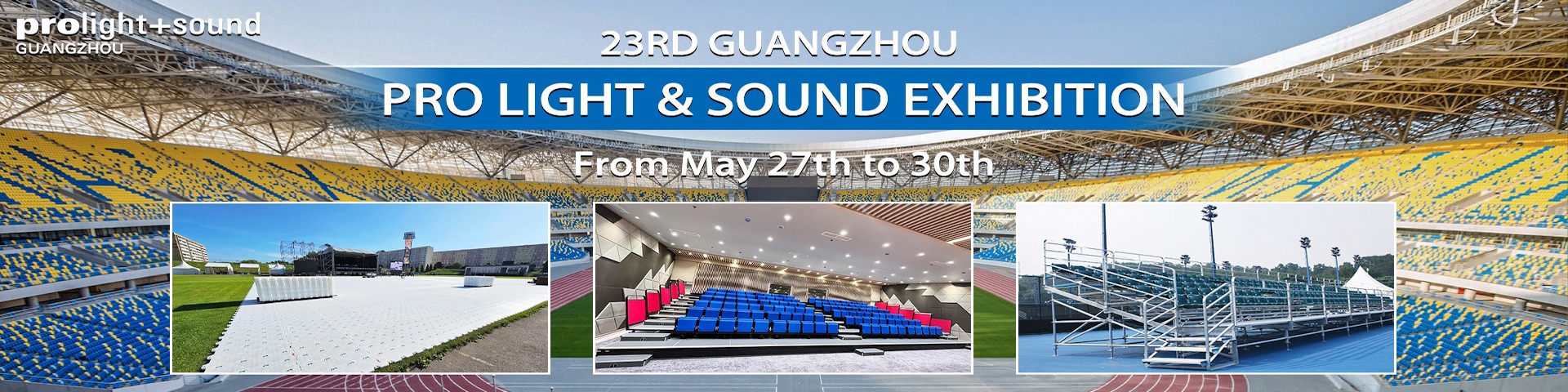

В современном мире спорт и технологии неразрывно связаны, и одним из ключевых аспектов этой связи является освещение стадионов. От локальных матчей до грандиозных международных событий, качественное освещение не только обеспечивает видимость, но и трансформирует весь опыт для игроков, зрителей и вещателей. В этой статье мы глубоко погрузимся в то, как прорывные технологии, такие как светодиодные системы, умное управление и интеграция Интернета вещей (IoT), революционизируют стадионное освещение, делая его более энергоэффективным, экологичным и захватывающим.
Освещение стадионов — это не просто функциональная необходимость; оно играет критическую роль в безопасности, производительности и эстетике спортивных мероприятий. Исторически, стадионы полагались на традиционные методы, такие как металлогалогенные лампы, которые потребляли огромное количество энергии и часто страдали от проблем с цветопередачей и медленным временем разогрева. Однако с advent светодиодных технологий и цифрового управления, отрасль переживает радикальные изменения. Эти инновации не только снижают эксплуатационные расходы, но и открывают новые возможности для интерактивности и sustainability.
Например, consider матч высшей лиги по футболу: яркое, равномерное освещение позволяет игрокам видеть мяч и друг друга с кристальной ясностью, уменьшая риск травм. Для телевизионных трансляций, advanced lighting systems обеспечивают идеальную цветопередачу, enhancing визуальную привлекательность для миллионов зрителей по всему миру. Более того, с ростом осведомленности об изменении климата, энергоэффективные решения становятся imperative, и стадионы leading the way в adoption зеленых технологий.
В этой статье мы explore ключевые технологические прорывы, их benefits, и future trends, которые продолжают менять игру. От LED прожекторов до умных сетей, давайте delve в детали того, как освещение стадионов эволюционирует to meet demands 21st века.
История стадионного освещения начинается с простых угольных дуговых ламп в late 19th веке, которые едва освещали поле. В mid-20th веке, introduction натриевых и металлогалогенных ламп marked значительное улучшение, offering более bright и стабильный свет. Однако эти технологии были energy-intensive, с high maintenance costs и limited controllability.
Переломный момент наступил с development светодиодных (LED) технологий в 1990-х годах. Initially used для indicator lights, LEDs быстро evolved to become мощными источниками illumination. Первые LED системы для стадионов появились в early 2000-х, offering immediate benefits: lower energy consumption, longer lifespan, и instant on/off capability. For instance, стадион like Allianz Arena в Германии adopted LEDs early on, reducing energy use на 60% compared to traditional lighting.
Сегодня, LEDs dominate рынок, с continuous innovations в efficiency и functionality. Добавление умных контроллеров и IoT sensors позволяет для dynamic lighting scenarios, таких как изменение intensity в real-time based on погодных условий или зрительской активности. Эта эволюция не только technical, но и cultural, отражая broader shift towards sustainability и digitalization в спортивной индустрии.
Светодиодные технологии являются cornerstone современного стадионного освещения. Unlike traditional lamps, LEDs use semiconductors to produce light, resulting in superior energy efficiency, typically consuming на 50-70% less energy than metal halide lamps. Они также имеют lifespan до 100,000 часов, что значительно reduces replacement costs и downtime.
Key advantages LEDs включают:
Примеры successful implementations abound. Take стадион Mercedes-Benz в Атланте, USA, which uses a full LED system to achieve energy savings of over 60%. Similarly, в России, стадион Лужники upgraded to LEDs перед Чемпионатом мира по футболу 2018, enhancing both performance и sustainability. These case studies highlight how LED technology is not just a trend but a necessity for modern stadiums.
Looking ahead, ongoing R&D focuses on improving LED efficiency further, with advancements in materials like perovskites and quantum dots promising even brighter and more efficient lights in the future.
Умное управление освещением, powered by IoT и AI, transforms стадионное освещение из static системы в dynamic, responsive сеть. These systems use sensors, connectivity, и software to optimize lighting based on real-time data.
Key components включают:
Benefits are profound: energy savings can reach up to 80% compared to traditional systems, as lights only operate at full capacity when needed. Additionally, smart lighting enhances safety by providing emergency lighting protocols and integrating with security systems.
A prime example is стадион Тоттенхэм Хотспур в Лондоне, which employs a smart lighting system that adjusts for different events, from football matches to concerts, saving thousands in energy costs annually. В России, projects like умный стадион в Казани demonstrate similar efficiencies, showcasing how IoT is becoming standard in new constructions.
Future developments may include full autonomy, where lighting systems self-optimize without human intervention, further pushing the boundaries of what's possible.
С emphasis на climate change, энергоэффективность и экологичность стали central to стадионного освещения. LED технологии и умное управление significantly reduce carbon footprint by lowering energy consumption и minimizing waste.
Statistics show that a typical stadium with traditional lighting consumes over 1,000 MWh per year, whereas LED systems can cut this by half or more. This not only saves money but also aligns with global sustainability goals, such as the Paris Agreement.
Moreover, LEDs are free from hazardous materials like mercury, found in some older lamps, making disposal safer and more environmentally friendly. Recycling programs for LED components are also emerging, further reducing environmental impact.
Case in point: стадион Амстердам Арена в Нидерландах uses a combination of LEDs and solar panels to achieve near-zero energy lighting during daytime events. Similarly, many stadiums are pursuing LEED certification (Leadership in Energy and Environmental Design), which rewards sustainable practices.
By adopting green lighting technologies, stadiums not only contribute to environmental protection but also enhance their brand image and attract eco-conscious sponsors and fans. The future will likely see even greater integration with renewable energy sources, such as wind and solar, to create fully sustainable lighting systems.
Качественное освещение напрямую impacts experience игроков и зрителей. For players, uniform and bright lighting reduces eye strain, improves reaction times, и decreases injury risks by providing clear visibility of the field and opponents.
For spectators, whether in-person or watching via broadcast, advanced lighting ensures that every moment is captured with clarity and vibrancy. Dynamic lighting effects, such as color changes during goals или celebrations, add to the excitement and engagement.
Studies have shown that well-lit stadiums can enhance mood and concentration, leading to a more enjoyable experience. For instance, during night games, proper lighting minimizes shadows and glare, allowing fans to follow the action without discomfort.
Broadcasters benefit immensely from high-CRI LEDs, which produce true-to-life colors that make telecasts more appealing. This is crucial for advertising revenue and global viewership. Examples include the Super Bowl, where lighting plays a key role in the spectacle, or the Olympics, where lighting design is often a highlight of the opening ceremony.
In summary, technological advancements in stadium lighting are not just about efficiency; they are about creating memorable experiences that keep fans coming back and players performing at their best.
Будущее стадионного освещения promises even more exciting innovations. Emerging trends include:
Additionally, the rise of smart cities will see stadium lighting integrated into broader urban networks, contributing to city-wide energy management and sustainability efforts.
While challenges remain, such as high initial costs and the need for skilled personnel, the trajectory is clear: stadium lighting will continue to evolve towards greater intelligence, efficiency, and interactivity. As technologies like 6G and quantum computing emerge, the possibilities are limitless.
В conclusion, прорывные технологии в освещении стадионов fundamentally transform how we experience sports. From LEDs to IoT, these advancements drive energy savings, enhance safety, и create unforgettable moments. As the industry continues to innovate, stadiums will become not just venues for games, but hubs of technological excellence and sustainability.
Embrace these changes—whether you are a stadium manager, a fan, or a technology enthusiast—and witness how lighting truly changes the game. The future is bright, and it's illuminated by innovation.
Предыдущая статья:Самый продвинутый баскетбольный счетчик для побед
Следующий пост:Революция в спорте электронный счетчик результатов
 |
1388xx888xx |
 |
Адрес компании:B4-06, Building B, No. 108 Lijia Road, Henggang Community, Longgang Street, Shenzhen, Guangdong, China |
 |
Почтовый ящик:1388xx888xx@gmail.com |
 |
Мобильные телефоны:1388xx888xx |


 1388xx888xx