


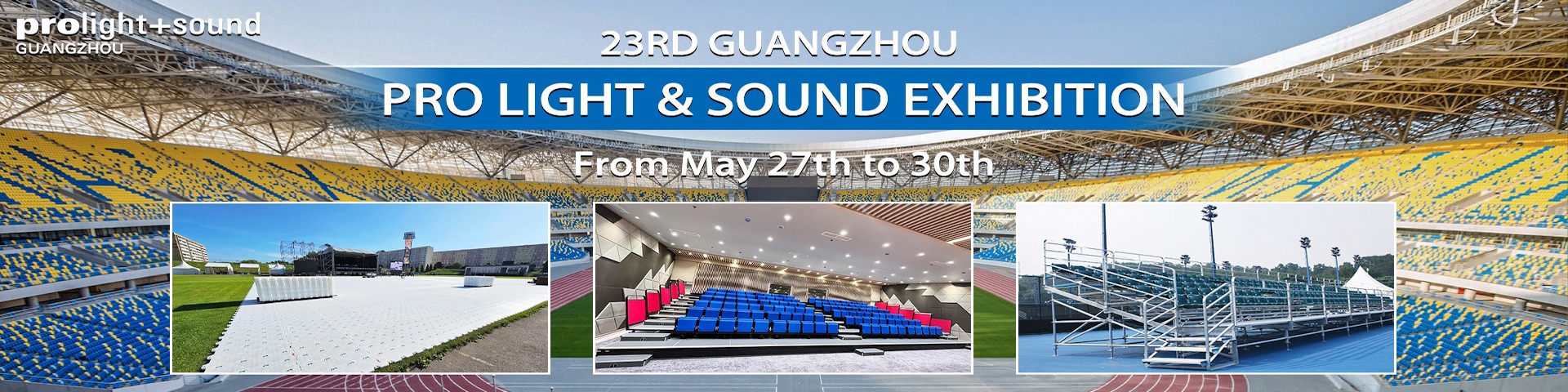

В современном мире бизнеса бренд является не просто логотипом или названием компании; это совокупность восприятий, эмоций и обещаний, которые формируют отношения с клиентами. Рост бренда — это не случайный процесс, а стратегически выверенная деятельность, требующая инновационных подходов. Одним из таких подходов является использование мероприятий — от корпоративных вечеринок до масштабных конференций — в качестве мощного инструмента для усиления присутствия бренда, привлечения аудитории и увеличения лояльности. В этой статье мы глубоко погрузимся в то, как превратить любое мероприятие в катализатор роста бренда, рассмотрев ключевые аспекты от планирования до пост-анализа, и предоставим практические рекомендации, основанные на успешных кейсах и маркетинговых теориях.
Мероприятия, будь то онлайн или офлайн, предлагают уникальную возможность для брендов взаимодействовать с аудиторией на личном уровне. В эпоху цифрового шума, где потребители перегружены рекламой, живые события выделяются своей аутентичностью и способностью создавать незабываемые впечатления. Исследования показывают, что мероприятия могут увеличить узнаваемость бренда на 20-30%, а также существенно повлиять на покупательское поведение. Например, по данным Event Marketing Institute, 74% потребителей имеют более положительное мнение о бренде после участия в его мероприятии. Это подчеркивает необходимость интегрировать события в общую маркетинговую стратегию.
Однако не все мероприятия одинаково эффективны. Чтобы добиться успеха, необходимо тщательное планирование, четкое определение целей и понимание целевой аудитории. В следующих разделах мы разберем этапы превращения мероприятия в инструмент роста бренда, начиная с предварительной подготовки и заканчивая измерением результатов.
Прежде чем организовывать мероприятие, критически важно определить, чего вы хотите достичь. Цели должны быть конкретными, измеримыми, достижимыми, релевантными и ограниченными по времени (SMART). Например, цель может звучать как "увеличить узнаваемость бренда среди millennials на 15% в течение квартала через проведение интерактивного онлайн-ивента".
Стратегия мероприятия должна быть тесно увязана с общей бренд-стратегией. Рассмотрите ключевые сообщения бренда, ценности и tone of voice. Если ваш бренд ориентирован на инновации, мероприятие должно отражать это через использование новейших технологий, таких как виртуальная реальность или интерактивные дисплеи. Проведите мозговой штурм с командой, чтобы идеи были свежими и соответствовали бренду.
Кроме того, проанализируйте целевую аудиторию. Кто они? Какие их интересы и боли? Это поможет tailor мероприятие под их needs. Используйте инструменты аналитики, такие как Google Analytics или социальные медиа insights, чтобы собрать данные. Например, если аудитория преимущественно активна в Instagram, включите элементы, подходящие для этой платформы, like live-streaming или influencer collaborations.
Разработайте бюджет, который покрывает все аспекты: venue, catering, technology, marketing, and contingency. Не забудьте allocate resources for post-event activities, such as follow-up emails or content creation, to maximize ROI.
Планирование — это сердце успешного мероприятия. Начните с выбора формата: будет ли это live event, hybrid, or fully virtual? В пост-ковидную эру гибридные мероприятия gain popularity, as они allow reach a wider audience. For instance, a product launch can be streamed online while having a physical presence for key stakeholders.
Выберите дату и время, избегая conflicts with major holidays or industry events. Use tools like Eventbrite or Meetup for scheduling and registration. Secure a venue that aligns with your brand image — if you're a luxury brand, opt for an upscale location; if eco-friendly, choose a sustainable venue.
Создайте detailed timeline with milestones: 6 months out — define goals; 3 months — book vendors; 1 month — finalize speakers and promotions; week of — rehearsals. Assign roles to team members using project management software like Asana or Trello to ensure accountability.
Интегрируйте technology для enhancement. Используйте event apps for engagement, such as polls, Q&A sessions, or networking features. For example, tools like Slido or Hopin can facilitate interaction. Ensure technical aspects are tested beforehand to avoid glitches.
Разработайте контент-план для мероприятия. Включите keynote speeches, workshops, or entertainment that resonate with your brand. Invite influencers or industry experts to add credibility. Plan for multimedia elements — videos, presentations, — to keep the audience engaged.
Продвижение — ключ к привлечению аудитории. Используйте multi-channel approach: social media, email marketing, PR, and partnerships. Start promotions early — at least 2-3 months in advance for major events.
В социальных сетях создайте event pages on platforms like Facebook or LinkedIn. Use hashtags specific to your brand and event to generate buzz. Share teaser content: behind-the-scenes videos, speaker announcements, or countdown posts. Run paid ads targeting your demographic based on interests and behaviors.
Email marketing remains powerful. Build an email list from your database and send save-the-date invites, followed by reminders. Personalize emails with the recipient's name and interests to increase open rates. Include clear CTAs for registration.
Сотрудничайте с influencers or media outlets for broader reach. Offer them exclusive access or incentives to promote the event. For example, a beauty brand might partner with a popular YouTuber to host a makeup tutorial during the event.
Utilize SEO for online events by optimizing event pages with relevant keywords. This can drive organic traffic from search engines.
Measure promotion effectiveness through metrics like registration rates, social media engagement, and website traffic. Adjust strategies in real-time based on data.
В день мероприятия focus on execution. Ensure everything runs smoothly from registration to closing. Have a dedicated team for coordination and problem-solving.
Создайте welcoming atmosphere that reflects your brand. Use branding elements consistently — logos, colors, messaging — throughout the venue or digital platform. For virtual events, design an intuitive interface with brand aesthetics.
Engage the audience actively. Incorporate interactive elements like live polls, quizzes, or networking sessions. Encourage participation through rewards, such as giveaways or discounts for attendees. This fosters a sense of community and connection to the brand.
Provide value through content. Ensure speeches or sessions are informative and entertaining. Share exclusive insights or announcements that can't be found elsewhere, making attendees feel special.
Monitor feedback in real-time. Use tools like live chat or social media monitoring to address questions or issues promptly. This shows that you care about the audience's experience.
Для гибридных мероприятий, обеспечьте seamless integration between physical and virtual components. Use high-quality streaming and facilitate interaction between groups.
После мероприятия работа не заканчивается. Соберите feedback through surveys or polls. Ask about overall satisfaction, key takeaways, and suggestions for improvement. Tools like SurveyMonkey or Google Forms can help.
Analyze data to measure ROI. Track metrics such as attendance rates, engagement levels, lead generation, and sales conversions. Compare these against your pre-defined goals. For example, if the goal was brand awareness, look at social media mentions or website visits post-event.
Share post-event content to extend the lifecycle. Create recap videos, blog posts, or social media posts highlighting key moments. Tag attendees and speakers to encourage sharing. This keeps the conversation going and reinforces brand messages.
Follow up with attendees via email. Thank them for participation, share resources from the event, and offer exclusive deals. This nurtures leads and builds long-term relationships.
Evaluate what worked and what didn't. Document lessons learned for future events. Continuous improvement is essential for turning events into a consistent growth tool.
Рассмотрим реальные примеры. Apple's product launch events are legendary for building anticipation and brand loyalty. They use sleek presentations and exclusive reveals to create a must-see experience.
Another example is Red Bull's Stratos jump event, which not only showcased extreme sports but also positioned Red Bull as a brand of adventure and innovation, resulting in massive media coverage and brand lift.
For smaller brands, local events like pop-up shops or workshops can be effective. For instance, a coffee brand hosting a tasting event can engage directly with consumers, gathering feedback and building community.
These cases show that with creativity and strategic planning, events can significantly boost brand growth.
В заключение, мероприятия — это не разовое усилие, а часть интегрированного подхода к росту бренда. By aligning events with brand values, meticulously planning, and continuously analyzing results, you can transform them into powerful tools that drive awareness, engagement, and loyalty.
Remember, the key is consistency and adaptation. As markets evolve, so should your event strategies. Embrace new technologies and trends to stay relevant.
Invest in events not as expenses, but as investments in your brand's future. With the right approach, every event can be a stepping stone towards sustained growth and success.
Начните планировать свое следующее мероприятие сегодня, и увидьте, как оно может catapult ваш бренд to new heights.
Предыдущая статья:Важность качественного освещения на спортивных площадках
Следующий пост:Освещение LED системы что вам нужно знать прямо сейчас
 |
1388xx888xx |
 |
Адрес компании:B4-06, Building B, No. 108 Lijia Road, Henggang Community, Longgang Street, Shenzhen, Guangdong, China |
 |
Почтовый ящик:1388xx888xx@gmail.com |
 |
Мобильные телефоны:1388xx888xx |


 1388xx888xx