


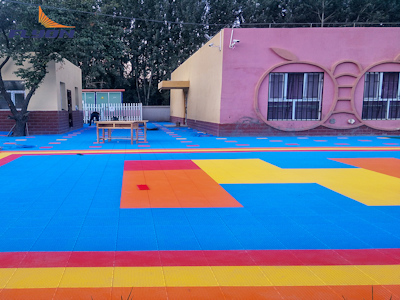
В мире спорта безопасность и комфорт спортсменов играют ключевую роль, и одним из важнейших элементов в этом контексте являются спортивные полы. Многие из нас привыкли думать, что пол в спортивном зале — это просто твердая поверхность, но на самом деле это сложная инженерная система, которая использует передовые технологии для обеспечения оптимальных условий. В этой статье мы раскроем секреты уникальных технологий, о которых вы, вероятно, никогда не слышали, но которые кардинально меняют представление о спортивных покрытиях.
Спортивные полы — это не просто напольное покрытие; это специализированные системы, разработанные для конкретных видов спорта, таких как баскетбол, волейбол, теннис или легкая атлетика. Они должны обеспечивать амортизацию, антискользящие свойства, долговечность и даже влиять на производительность спортсменов. Традиционные материалы, такие как дерево или резина, постепенно уступают место инновационным решениям, которые включают нанотехнологии, умные материалы и экологичные компоненты.
История спортивных полов насчитывает десятилетия, начиная с простых деревянных полов в ранних спортивных залах. Однако с развитием науки и техники появились покрытия, которые не только защищают от травм, но и способствуют улучшению результатов. Например, в 1970-х годах были внедрены первые синтетические покрытия для беговых дорожек, которые снижали нагрузку на суставы. Сегодня мы наблюдаем революцию, где технологии становятся неотъемлемой частью спортивной инфраструктуры.
Но почему так важно обращать внимание на эти инновации? Ответ прост: они напрямую влияют на здоровье спортсменов. Исследования показывают, что неправильно подобранное покрытие может увеличить риск травм, таких как растяжения или переломы. Поэтому производители постоянно ищут новые ways to enhance safety and performance. In this article, we will dive deep into the latest advancements that are shaping the future of sports floors.
Одной из самых intriguing технологий является использование наночастиц в составе спортивных покрытий. Нанотехнологии позволяют создавать материалы с улучшенными свойствами на молекулярном уровне. Например, нано-добавки могут придавать полу антимикробные характеристики, что особенно важно в местах с высоким трафиком, таких как спортивные залы, где легко распространяются бактерии и вирусы.
Конкретно, наносеребро или нанооксид цинка интегрируются в полимерные покрытия, чтобы抑制 рост микробов. Это не только обеспечивает гигиеничность, но и продлевает срок службы пола, так как микроорганизмы не разрушают материал. Кроме того, нанотехнологии используются для создания самоочищающихся поверхностей. Представьте себе пол, который repels dirt and stains with the help of photocatalytic nanoparticles that activate under light. Это уже реальность в некоторых premium спортивных объектах.
Еще одно применение — улучшение амортизации. Нано-пены или нано-гели могут быть incorporated into the floor structure to provide better shock absorption. These materials have a higher density and elasticity at the nanoscale, which means they can absorb impacts more efficiently than traditional foams. For instance, in basketball courts, this technology reduces the risk of ankle injuries by up to 30%, according to recent studies. The science behind it involves manipulating polymer chains to create a more responsive surface that adapts to the athlete's movements.
Но нанотехнологии — это не только о безопасности; они also contribute to sustainability. Nano-enhanced materials often require less raw material and energy to produce, and they can be recyclable. This aligns with the growing trend of green building in sports facilities. However, it's important to note that these technologies are still evolving, and their long-term effects are under study. Nonetheless, they represent a significant leap forward in sports floor design.
В эпоху цифровизации even sports floors are getting smarter. The integration of Internet of Things (IoT) devices and sensors into flooring systems is a game-changer. Imagine a floor that can monitor运动员的 performance in real-time, tracking metrics like force distribution, speed, and even fatigue levels. This is made possible by embedding pressure sensors and accelerometers into the floor material.
For example, in a tennis court, smart floors can analyze the impact of each serve or volley, providing data that helps players improve their technique. The sensors collect information and transmit it to a central system, where it is processed using algorithms. Coaches and athletes can then access this data via apps or dashboards, allowing for personalized training programs. This technology is particularly useful in professional sports, where every small advantage counts.
Moreover, smart floors enhance safety by detecting potential hazards. If the floor senses an uneven surface or excessive wear, it can alert maintenance teams before accidents happen. Some systems even include temperature and humidity sensors to ensure optimal playing conditions. For instance, in indoor arenas, maintaining the right humidity level is crucial to prevent slipping and material degradation.
The benefits extend beyond performance monitoring. Smart floors can also contribute to energy efficiency. By integrating with building management systems, they can adjust lighting or heating based on usage patterns, reducing energy consumption. However, the adoption of such technologies is still in its early stages due to high costs and complexity. But as technology advances, we can expect to see more affordable and widespread implementations in the coming years.
С ростом осведомленности об environmental issues, the sports industry is shifting towards sustainable practices, and floors are no exception. Traditional materials like PVC or synthetic rubbers often have a high carbon footprint and can release harmful chemicals. In response, innovators are developing eco-friendly alternatives that are both effective and green.
One promising technology is the use of bio-based polymers derived from renewable sources such as corn or sugarcane. These materials are biodegradable or recyclable, reducing waste and pollution. For instance, polylactic acid (PLA) is a popular choice for sports floors because it offers good durability and shock absorption while being environmentally friendly. Additionally, some companies are experimenting with recycled materials, like old tires or plastic bottles, to create new flooring products.
Another aspect is the reduction of volatile organic compounds (VOCs) emissions. VOCs are chemicals that can off-gas from certain materials and affect indoor air quality, potentially causing health issues. Modern sports floors are designed with low-VOC or zero-VOC formulations, using water-based adhesives and coatings. This not only protects athletes' health but also contributes to a healthier environment overall.
Furthermore, sustainable floors often come with certifications like LEED or BREEAM, which recognize buildings for their environmental performance. By choosing such floors, sports facilities can reduce their ecological impact and even save costs in the long run through energy efficiency and durability. However, challenges remain, such as the higher initial cost and the need for more research to ensure these materials meet the rigorous demands of sports. But the trend is clear: sustainability is becoming a key factor in sports floor technology.
Одной из основных функций спортивных полов является амортизация, которая помогает снизить impact on joints and muscles during physical activity. Advanced technologies in this area focus on optimizing shock absorption without compromising on performance. For example, multi-layer systems are now common, where each layer has a specific role: a top layer for wear resistance, a middle layer for cushioning, and a base layer for stability.
Innovations include the use of viscoelastic materials that adapt to the force applied. These materials, often inspired by biomedical applications, can provide variable stiffness—softer under high impact to absorb shock, and firmer under light loads to support movement. This dynamic response is crucial for sports like gymnastics or basketball, where athletes experience rapid changes in force.
Additionally, computer modeling and simulation are used to design floors with optimal cushioning properties. Engineers can test different configurations virtually before physical production, ensuring that the floor meets specific safety standards. For instance, the DIN standard in Europe sets guidelines for shock absorption in sports floors, and new technologies help exceed these requirements.
Real-world examples include floors with integrated air chambers or gel inserts that provide extra cushioning. These systems are particularly effective in reducing the risk of stress fractures and other overuse injuries. Studies have shown that properly amortized floors can decrease injury rates by up to 50%, making them a vital investment for any sports facility. As research continues, we can expect even more sophisticated solutions that tailor amortization to individual sports and athlete needs.
Скольжение является common cause of injuries in sports, so anti-slip technologies are paramount. Modern sports floors employ various methods to enhance traction, from texture modifications to chemical treatments. One cutting-edge approach is the use of micro-rough surfaces created through laser etching or additive manufacturing. These surfaces increase friction without being abrasive, providing a secure grip for athletes.
Another technology involves the application of hydrophobic or oleophobic coatings that repel water and oils, preventing slippery conditions. These coatings are often nano-based and can be reapplied periodically to maintain effectiveness. For outdoor sports floors, such as those used in track and field, additional features like drainage systems are integrated to handle wet conditions.
Moreover, smart anti-slip systems can adapt to environmental changes. For example, some floors have sensors that detect moisture and automatically adjust the surface texture or release anti-slip agents. This is especially useful in sports like ice hockey or swimming, where the environment can be unpredictable.
The importance of these technologies cannot be overstated. A slip-resistant floor not only prevents accidents but also boosts confidence among athletes, allowing them to perform at their best. As materials science advances, we are seeing more durable and effective anti-slip solutions that require less maintenance and offer longer lifespan.
Sports floors endure heavy use, so durability is a critical factor. Innovations in material science have led to floors that can withstand years of abuse without significant wear. One key technology is the use of ultra-high molecular weight polyethylene (UHMWPE) or other advanced polymers that offer exceptional resistance to abrasion and impact.
Surface treatments like UV curing or electron beam crosslinking enhance the hardness and scratch resistance of floors. These processes create a protective layer that shields the material from damage caused by friction or chemicals. Additionally, modular flooring systems allow for easy replacement of worn sections, extending the overall life of the floor and reducing downtime.
Another aspect is resistance to environmental factors such as UV radiation, which can cause fading and degradation. New coatings with UV inhibitors are developed to maintain the color and integrity of the floor over time. This is particularly important for outdoor facilities exposed to sunlight.
Testing and quality control play a big role in ensuring durability. Advanced laboratories simulate years of use in a short time through accelerated aging tests, helping manufacturers refine their products. As a result, modern sports floors can last decades with proper maintenance, making them a cost-effective choice in the long term.
Different sports have unique requirements for floors, and technologies are tailored accordingly. For basketball, floors need high bounce and shock absorption; innovations like suspended floors with air pockets or specialized foams are used. In contrast, for sports like weightlifting, floors require extreme durability and stability to handle heavy weights.
Tennis courts benefit from surfaces that provide consistent ball bounce and player comfort. Advanced acrylic coatings or synthetic grass with optimized pile height are examples. For running tracks, polyurethane surfaces with embedded rubber particles offer excellent energy return and reduce injury risk.
Even niche sports like martial arts or dance have specific floor needs. For instance, sprung floors with enhanced flexibility are used in dance studios to allow for better movement and reduce fatigue. The key is customization through technology, ensuring that each sport gets the ideal surface for performance and safety.
This specialization is driven by research and collaboration with athletes. By understanding the biomechanics of each sport, manufacturers can develop floors that not only meet standards but also enhance the sporting experience. As technology evolves, we can expect even more personalized solutions for emerging sports or adaptive athletics.
The future of sports floors is bright with ongoing innovations. We can anticipate further integration of AI and machine learning to optimize floor performance based on real-time data. For example, floors that adjust their properties dynamically during a game to suit changing conditions or athlete needs.
Another trend is the development of self-healing materials. Imagine a floor that repairs minor scratches or damages automatically through microcapsules filled with healing agents. This would significantly reduce maintenance costs and extend lifespan.
Additionally, as virtual and augmented reality become more prevalent in sports training, floors might incorporate haptic feedback or other interactive elements to enhance immersive experiences. This could revolutionize how athletes train and compete.
Sustainability will continue to be a focus, with more floors made from circular economy principles—using recycled materials and being fully recyclable at end-of-life. Overall, the goal is to create floors that are not only functional but also intelligent, eco-friendly, and adaptable to the evolving needs of sports.
В заключение, уникальные технологии для спортивных полов, о которых мы рассказали, представляют собой significant advancement in sports infrastructure. Они не только улучшают безопасность и производительность, но и способствуют устойчивому развитию и инновациям. От нанотехнологий до умных систем, these innovations are reshaping how we think about sports surfaces.
Для спортсменов, тренеров и владельцев объектов, инвестиции в такие полы могут привести к reduced injuries, enhanced performance, and lower long-term costs. As awareness grows, we hope to see wider adoption of these technologies, making sports safer and more enjoyable for everyone.
So next time you step onto a sports floor, remember the cutting-edge science beneath your feet—it might just be the key to your next victory or a injury-free workout.
 |
1388xx888xx |
 |
Адрес компании:B4-06, Building B, No. 108 Lijia Road, Henggang Community, Longgang Street, Shenzhen, Guangdong, China |
 |
Почтовый ящик:1388xx888xx@gmail.com |
 |
Мобильные телефоны:1388xx888xx |


 1388xx888xx