


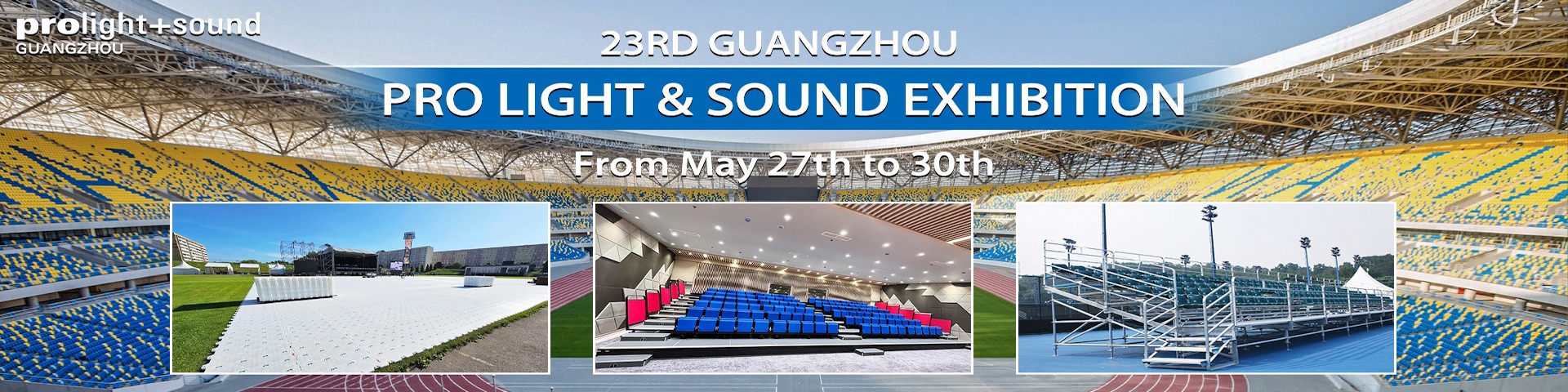

В мире спорта происходят кардинальные изменения, и одним из ключевых аспектов является дизайн спортивных арен. Современные стадионы и арены больше не просто места для проведения соревнований; они превратились в многофункциональные комплексы, где удобство и безопасность выходят на первый план. Эта революция в дизайне не только улучшает опыт зрителей и спортсменов, но и устанавливает новые стандарты для всей индустрии. В этой статье мы подробно рассмотрим, как инновации в проектировании и технологиях формируют будущее спортивной инфраструктуры.
Спортивные арены всегда были центрами эмоций, страсти и единства. Однако в последние десятилетия их роль значительно расширилась. Сегодня они служат не только для спортивных мероприятий, но и для концертов, выставок и общественных событий. Это требует нового подхода к дизайну, который учитывает разнообразные потребности пользователей. Безопасность стала приоритетом номер один после трагических инцидентов прошлого, а удобство — ключевым фактором для привлечения и удержания аудитории. Революция в дизайне спортивных арен — это ответ на эти вызовы, сочетающий эстетику, функциональность и инновации.
Чтобы понять масштаб изменений, важно оглянуться назад. В начале XX века спортивные арены были простыми конструкциями с базовыми сиденьями и минимальными удобствами. Например, стадионы для Олимпийских игр 1900-х годов注重 practicality over comfort. С течением времени, особенно после Второй мировой войны, дизайн начал evolve, incorporating more seating, better lighting, and basic amenities. Однако настоящая революция началась в 1990-х годах с появлением «умных» стадионов, оснащенных технологиями для улучшения fan experience.
Ключевым turning point стали события like трагедия на Хиллсборо в 1989 году, которая highlighted необходимость улучшения safety measures. Это привело к внедрению all-seater stadiums в многих странах и stricter regulations. В 2000-х годах technology стала driving force, with innovations like retractable roofs, high-definition screens, and wireless connectivity. Сегодня мы видим арены, которые are not just buildings, but integrated ecosystems designed for maximum convenience and security.
Удобство — это многогранное понятие в контексте спортивных арен. Оно включает физический комфорт, доступность, и seamless experience от момента arrival до departure. Современные дизайнеры focus на нескольких key areas to enhance convenience.
Gone are the days of uncomfortable bleachers. Today's arenas feature ergonomic seats with ample legroom, cup holders, and even heating in cold climates. For example, many new stadiums use molded plastic seats that are durable yet comfortable, with designs that allow for easy cleaning and maintenance. Additionally, luxury boxes and club seats offer premium experiences with personalized services, catering to high-end clients while maintaining comfort for all.
Modern design prioritizes accessibility for people with disabilities. This includes ramps, elevators, designated seating areas, and sensory rooms for those with autism. The Americans with Disabilities Act (ADA) and similar regulations worldwide have pushed arenas to be more inclusive, ensuring that everyone can enjoy events without barriers.
Poor navigation can ruin the experience. Contemporary arenas use clear, digital signage and mobile apps to guide visitors. Interactive maps, real-time updates, and multilingual support make it easy for fans to find their seats, restrooms, and concessions. This reduces congestion and stress, especially in large venues.
From high-quality food and beverage options to free Wi-Fi and charging stations, modern arenas are designed to keep fans engaged and satisfied. Many incorporate retail spaces, museums, and even hotels within the complex, turning a visit into a full-day experience. For instance, the SoFi Stadium in Los Angeles offers a variety of dining options that rival top restaurants, enhancing the overall convenience.
Безопасность has evolved from reactive measures to proactive, integrated systems. Today's arenas are designed with security in mind from the ground up, using technology and smart design to prevent incidents and ensure quick response when needed.
Advanced materials like carbon fiber and tempered glass are used to create structures that are both lightweight and resilient. Earthquake-resistant designs in seismic zones and fire-resistant materials are standard. For example, the Tokyo Olympic Stadium incorporated seismic isolation systems to protect against earthquakes, showcasing how safety is built into the very fabric of the arena.
High-definition CCTV cameras, facial recognition technology, and AI-powered analytics are employed to monitor crowds and detect potential threats. These systems can identify suspicious behavior in real-time, allowing security personnel to intervene before situations escalate. In venues like the Mercedes-Benz Stadium in Atlanta, integrated command centers coordinate security efforts across the entire facility.
Good design includes wide corridors, multiple entry and exit points, and clear evacuation routes. Simulations and modeling software are used during the design phase to predict crowd flow and avoid bottlenecks. This was crucial in the design of the London Olympic Stadium, where efficient movement of large crowds was a top priority.
With arenas becoming increasingly connected, cybersecurity is a growing concern. Protecting data from breaches and ensuring that systems like ticketing and access control are secure is essential. Modern designs incorporate robust cybersecurity measures to safeguard against digital threats.
Technology is the engine behind this revolution, enabling features that were once science fiction. From smart infrastructure to fan engagement tools, innovations are reshaping what arenas can do.
Internet of Things (IoT) devices are used to monitor everything from temperature and humidity to energy usage. Sensors can detect maintenance issues before they become problems, reducing downtime and costs. For instance, the Allianz Arena in Munich uses IoT to optimize lighting and HVAC systems, improving energy efficiency and comfort.
AR and VR are enhancing the fan experience by providing interactive elements. Fans can use AR apps to get player stats overlayed on their view of the field, or VR to experience games from unique perspectives. This technology is also used for training and simulation in arena design itself.
High-speed internet is no longer a luxury but a necessity. 5G networks in arenas allow for seamless streaming, social media sharing, and real-time updates. This keeps fans connected and engaged, whether they are in the venue or watching remotely.
Sustainability is a key part of modern design. Solar panels, rainwater harvesting, and green roofs are common features. The Levi's Stadium in California, for example, is LEED certified and uses solar energy to power operations, reducing its environmental footprint while enhancing safety through reliable energy sources.
To illustrate these concepts, let's look at some iconic examples of arenas that embody the new standard of convenience and safety.
Located in Inglewood, California, SoFi Stadium is a marvel of modern design. It features a translucent roof that provides shade and reduces glare, enhancing comfort for spectators. The stadium uses advanced security systems, including facial recognition and AI monitoring, to ensure safety. With its state-of-the-art amenities, such as numerous dining options and easy access via public transport, it sets a high bar for convenience.
Designed for the 2020 Olympics, this stadium emphasizes sustainability and safety. It incorporates natural ventilation to reduce energy use and seismic protection systems to withstand earthquakes. The design includes wide concourses and multiple exits for efficient crowd management, making it a model for future projects.
Famous for its illuminated exterior, the Allianz Arena is also a leader in technology integration. It uses IoT for building management and offers excellent fan experiences through mobile apps and high-speed Wi-Fi. Safety features include comprehensive surveillance and emergency response systems.
This stadium in Atlanta is known for its retractable roof and sustainable design. It has achieved LEED Platinum certification and features advanced security operations center. The venue's design focuses on fan comfort with ample seating and concessions, demonstrating how convenience and safety can go hand in hand.
The revolution in arena design benefits all parties involved. For athletes, improved facilities mean better performance conditions, such as optimized lighting and climate control. For fans, it translates to a more enjoyable and secure experience, encouraging repeat visits. For operators, efficient design reduces operational costs and increases revenue through enhanced amenities and technology-driven services.
Studies show that well-designed arenas can boost local economies by attracting events and tourism. They also contribute to community pride and identity, as seen with landmarks like Wembley Stadium in London or the Bird's Nest in Beijing.
Despite the progress, challenges remain. High costs of implementation, regulatory hurdles, and the need for ongoing maintenance are significant. However, the trend is towards even smarter, more integrated designs. Future arenas may feature fully autonomous systems, advanced biometric security, and even greater personalization through AI.
Emerging technologies like blockchain for ticketing and quantum computing for data analysis could further revolutionize the field. The focus will continue to be on creating spaces that are not only functional but also adaptable to changing needs, such as pandemics or climate events.
The revolution in sports arena design is setting a new benchmark for convenience and safety. By leveraging technology, innovative materials, and thoughtful planning, modern arenas are transforming the way we experience sports and events. This evolution is not just about building bigger or better structures; it's about creating environments that prioritize human well-being and sustainability. As we look to the future, these principles will continue to guide the development of sports infrastructure worldwide, ensuring that arenas remain vibrant, safe, and enjoyable places for generations to come.
Эта статья лишь scratches the surface of the profound changes underway. To stay updated on the latest in arena design, follow industry publications and attend conferences like the Sports Venue Technology Summit. The revolution is here, and it's changing the game for everyone involved.
Предыдущая статья:зачем нужны прочные спортивные ограждения в современном обществе
Следующий пост:Уникальные крепления для заборов обеспечивают надежность и долговечность
 |
1388xx888xx |
 |
Адрес компании:B4-06, Building B, No. 108 Lijia Road, Henggang Community, Longgang Street, Shenzhen, Guangdong, China |
 |
Почтовый ящик:1388xx888xx@gmail.com |
 |
Мобильные телефоны:1388xx888xx |


 1388xx888xx